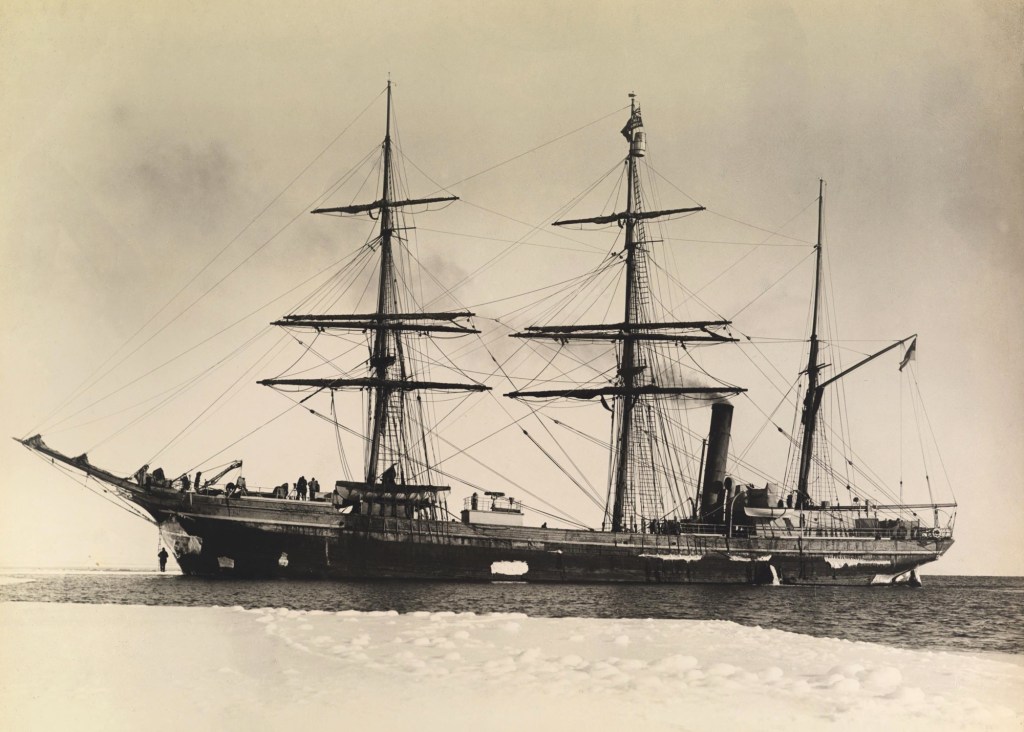
An American actor and politician born in Tampico, Illinois, in 1911. After Eureka College, he became a radio sports broadcaster in Iowa. He was actively involved with labour unions before getting into politics. He died in 2004. Who is he?
Two
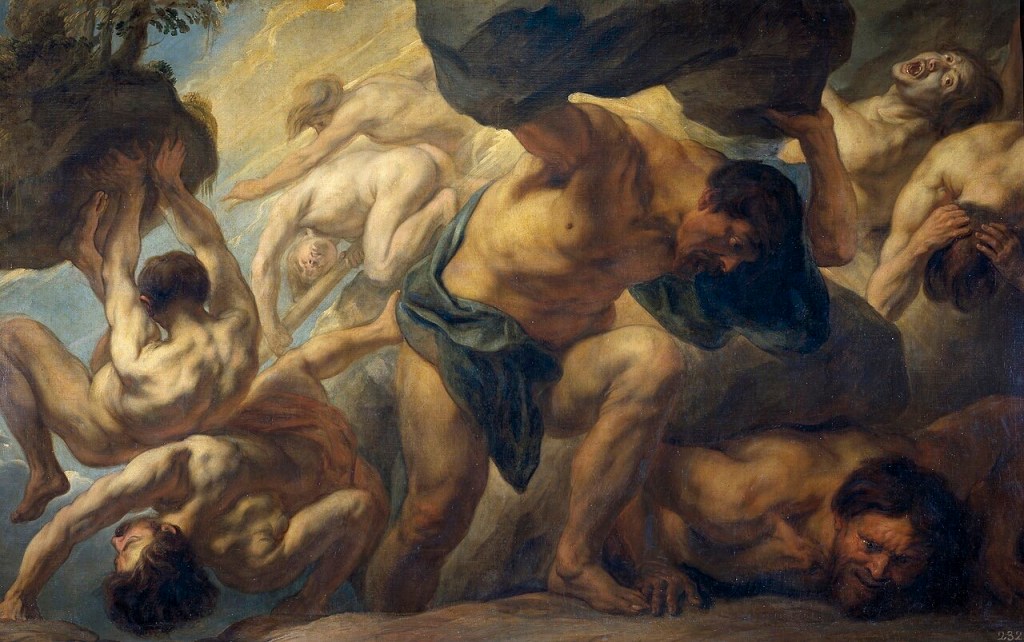
In 1694, Dandara, the warrior queen and leader of the runaway slaves Quilombo dos Palmares in Brazil, was captured and chose suicide over a return to slavery. What English seven-letter word, derived from Spanish cimarrón meaning ‘wild’, did European slavers use to describe these escaped slaves?
Three
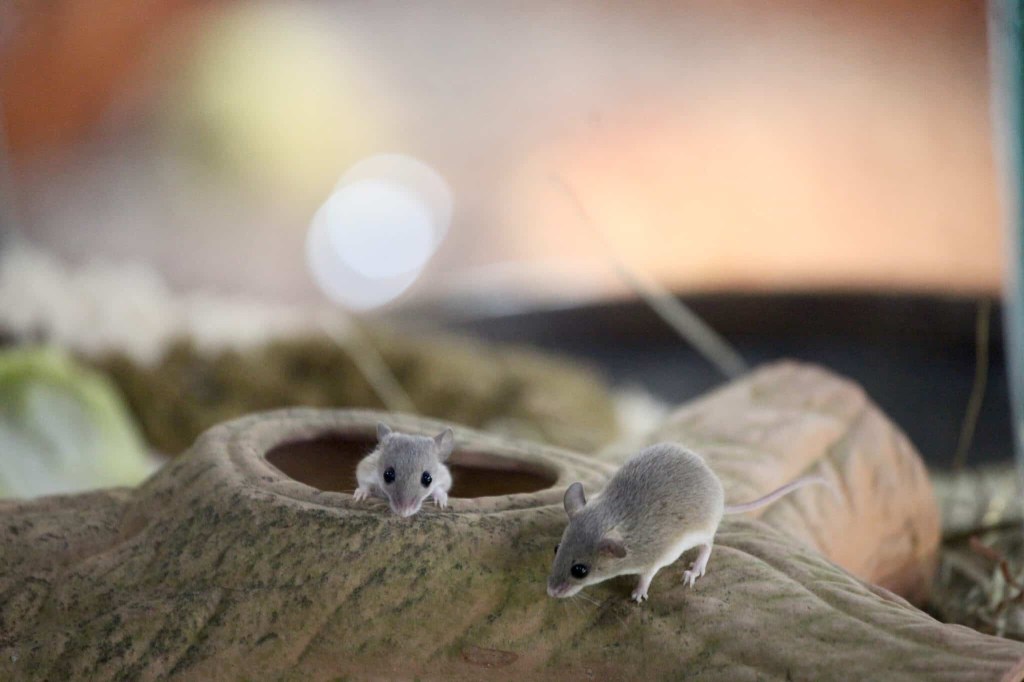
In the mid-20th century, this person became ruler on the death of their father, who himself had not expected to hold the post. They remained in this role for an astonishing 25,782 days?
Four
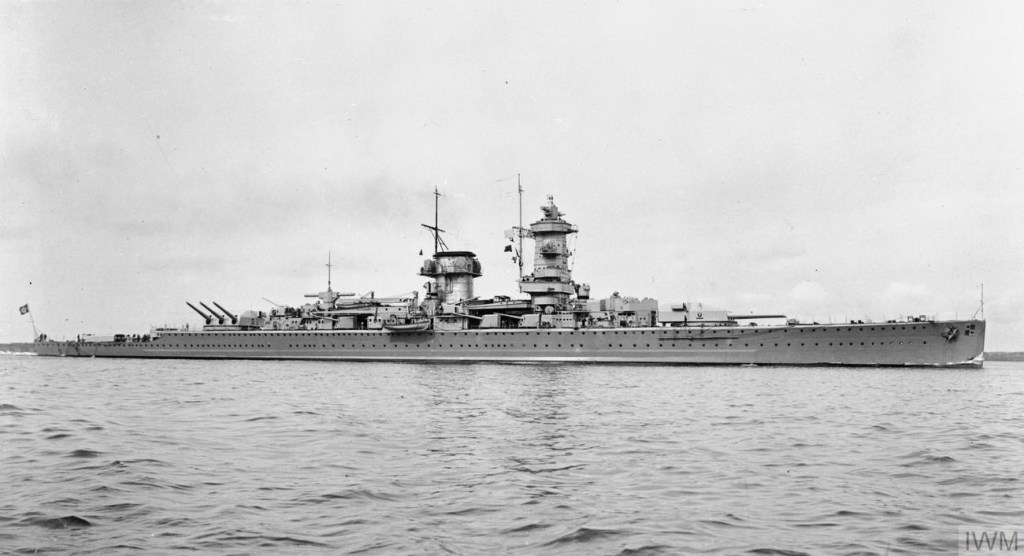
Born in Munich, Germany, in 1912, this woman met in 1929 the man who became Chancellor of Germany a few years later. She married him in 1945. She died in Berlin, Germany, aged 33. Who was she?
Five
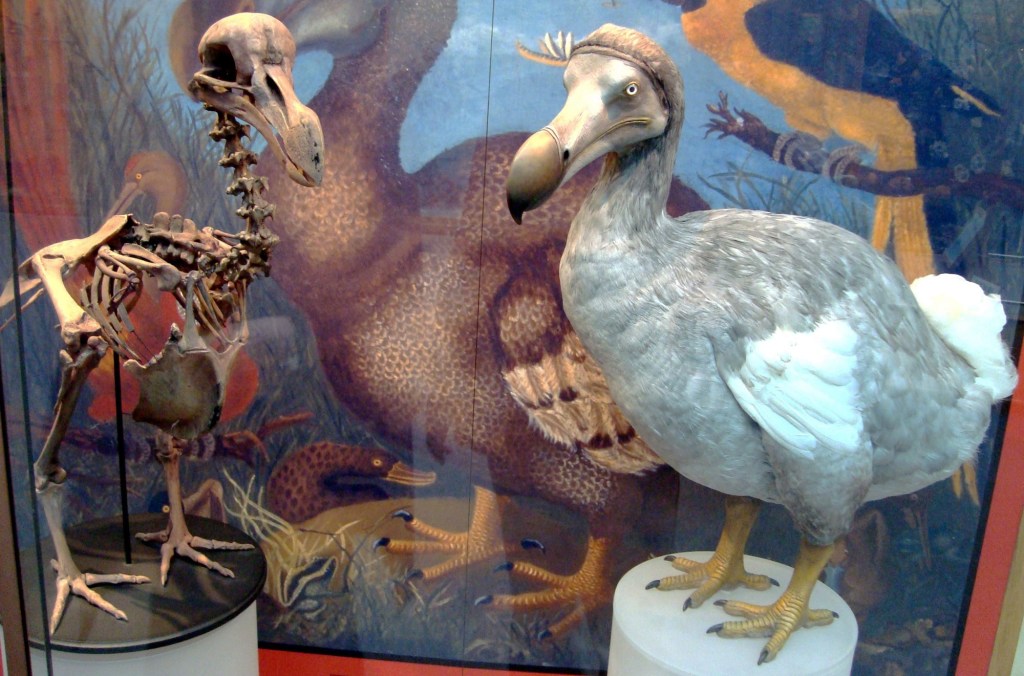
This monarch ruled England, Scotland and Ireland from 1702 to 1707 and then Great Britain and Ireland until their death in 1714, which marked the end of a dynasty. Who was this monarch?
Here are the answers to the questions i posted earlier.
These questions all relate to today’s date, February 5th. Each question has a year or decade as the first part of the answer, followed by a supplementary question.
Cartoon depicting Leopold II and other imperial powers at the Berlin Conference of 1884. Image Wikimedia Commons
One
In what decade did a European monarch establish the Congo Free State in West Africa? Who was the monarch, and what was the European country?
Answer: 1880s; Leopold II and Belgium
Belgian King Leopold II established the Congo Free State in 1885, seizing the land as his personal possession. His brutal reign, characterised by forced labour and widespread atrocities, led to international condemnation and the eventual transfer of control to Belgium in 1908.
Two
On this day in what year did Apollo 14 land on the Moon, and name any one of the three astronauts who flew on that mission or all three if you can?
Answer: 1971; Alan B. Shepard Jr., Stuart A. Roosa or Edgar D. Mitchell
Apollo 14, the third lunar landing, successfully landed in the Fra Mauro formation after overcoming malfunctions. Shepard and Mitchell collected Moon rocks and deployed experiments, while Roosa orbited the Moon.
Three
On this day, the New Hermitage Museum opened in Russia. In what decade did it open, and what—at that time—was the name of the city it is located in?
Answer: 1850s; Saint Petersburg
The New Hermitage Museum, part of the larger Hermitage Museum complex in St. Petersburg, was reconstructed between 1840 and 1852 and opened to the public in 1852. The museum is housed within five interconnected buildings, including the Winter Palace and the Small, Old and New Hermitages. The city was founded by Peter the Great in 1703 and named St. Petersburg, which it stayed until 1914 when it became Petrograd to reflect Russian patriotism during World War I by avoiding the German-sounding ‘Petersburg’. In 1924, the name changed to Leningrad in honour of Vladimir Lenin after his death, which it was until 1991 when the city’s population voted to return to the original name.
Four
United Artists, the American film production company, was founded on this day in what decade? Secondly, name any two of the four founders?
Answer: 1910s; Charlie Chaplin, Mary Pickford, Douglas Fairbanks and D. W. Griffith.
United Artists, founded in 1919, was established to allow actors more control over their own affairs. It was acquired by MGM in 1981 and later revived as United Artists Releasing in 2019. However, Amazon, MGM’s parent company, folded UAR into MGM in 2023. On 26 July 2024, Amazon MGM Studios announced the company’s revival.
Five
The creation of the first synthetic plastic was announced on this date. In what decade was this announcement made, and what was the name of this synthetic plastic?
Answer: 1900s; Bakelite
Leo Hendrik Baekeland, a Belgian chemist, invented Velox photographic paper and Bakelite, a versatile plastic, earning him the title ‘The Father of the Plastics Industry’. Bakelite, developed in 1907, became a commercial success due to its mouldability, heat resistance, and electrical nonconductivity. Its creation revolutionised the chemical industry and inspired the development of other synthetic plastics.
These questions all relate to today’s date, February 5th. Each question has a year or decade as the first part of the answer, followed by a supplementary question.
Contemporary cartoon. Image Wikimedia Commons
One
In what decade did a European monarch establish the Congo Free State in West Africa? Who was the monarch, and what was the European country?
Two
On this day in what year did Apollo 14 land on the Moon, and name any one of the three astronauts who flew on that mission or all three if you can?
Three
On this day, the New Hermitage Museum opened in Russia. In what decade did it open, and what—at that time—was the name of the city it is located in?
Four
United Artists, the American film production company, was founded on this day in what decade? Secondly, name any two of the four founders?
Five
The creation of the first synthetic plastic was announced on this date. In what decade was this announcement made, and what was the name of this synthetic plastic?
Here are the answers to my earlier posted questions.
All of today’s questions relate to February 4th, and each of them has at least one place in the answer, although there may be other requirements to the answer.
The flag shown above represents a modern country which gained independence from Great Britain on this date in 1948. What was the country’s name at independence, and to what was that name changed in 1972?
Answer: Ceylon; Sri Lanka.
Sri Lanka, officially the Democratic Socialist Republic of Sri Lanka, is an island country in South Asia. It gained independence from British rule in 1948 and became a republic in 1972. Despite a prolonged civil war, Sri Lanka has emerged as a developing country with a strategically important location in the Indian Ocean.
Two
Roman emperor Septimius Severus died at Eboracum on this date in 211 CE. What modern city was Roman Eboracum, and in what country is it located?
Answer: York, England, United Kingdom
Septimius Severus led a military campaign in Caledonia, facing hardships but achieving significant gains before his death in 211. His death led to the abandonment of the campaign and the withdrawal of Roman forces from Caledonia.
Three
The Yalta Conference opened on this day in 1945 in the final stages of Second World War and was the second meeting of the ‘Big Three’ allied leaders. On what peninsula is Yalta located and who were the three allied leaders?
Answer: Crimean Peninsula; Franklin. D Roosevelt, Winston Churchill and Joseph Stalin.
Yalta, a resort city on Crimea’s south coast, is today internationally recognised as part of Ukraine but controlled by Russia. It is known for its historic significance, including the 1945 Yalta Conference held in February 1945, which was a meeting of the US, UK, and Soviet Union leaders to discuss the postwar reorganisation of Germany and Europe. The conference aimed to establish collective security and self-determination for liberated European nations.
Four
In what year was Facebook founded, and which university campus did it originally launch from?
Answer: 2004, Harvard University.
Facebook was founded on this day in 2004 by Mark Zuckerberg and a small group of fellow students while they were attending Harvard University. It originally began as a social networking site exclusively for Harvard students before quickly expanding to other universities and eventually becoming a global platform with billions of users worldwide.
Five
Charles Lindbergh was born on this day in 1902. He was an American aviator who made the first non-stop solo transatlantic flight in his aircraft, Spirit of St. Louis. In what decade did he make this flight, and where were his departure and destination locations?
Answer: 1920s; Roosevelt Field, Long Island, New York, United States to Le Bourget Aerodrome, Paris, France.
Charles Lindbergh completed the first solo transatlantic flight, departing from Roosevelt Field on Long Island and landing at Le Bourget Aerodrome in Paris. The flight, lasting over 33 hours, involved navigating through fog, icing, and fatigue, with Lindbergh relying on dead reckoning for navigation. Upon landing, he was greeted by a massive crowd, who damaged the Spirit of St. Louis in their excitement.
All of today’s questions relate to February 4th, and each of them has at least one place in the answer, although there may be other requirements to the answer.
Image Wikimedia Commons
One
The flag shown above represents a modern country which gained independence from Great Britain on this date in 1948. What was the country’s name at independence, and to what was that name changed in 1972?
Two
Roman emperor Septimius Severus died at Eboracum on this date in 211 CE. What modern city was Roman Eboracum, and in what country is it located?
Three
The Yalta Conference opened on this day in 1945 in the final stages of Second World War and was the second meeting of the ‘Big Three’ allied leaders. On what peninsula is Yalta located and who were the three allied leaders?
Four
In what year was Facebook founded, and which university campus did it originally launch from?
Five
Charles Lindbergh was born on this day in 1902. He was an American aviator who made the first non-stop solo transatlantic flight in his aircraft, Spirit of St. Louis. In what decade did he make this flight, and where were his departure and destination locations?
A German composer who was born this day in 1809 wrote an 1830 overture which has been credited with popularising Fingal’s Cave as a tourist destination. Who was the composer, and in what country is the cave located?
Answer: Felix Mendelssohn; Scotland.
Fingal’s Cave, popularised by Mendelssohn’s overture, inspired many 19th-century artists and writers, including Verne, Wordsworth, Keats, and Turner, and more recently Pink Floyd. Its unique basalt columns and echoing chambers captivated visitors like Sir Walter Scott and Queen Victoria. The cave continues to inspire modern artists, featuring in films and exhibitions.
Two
In a Beatles’ song, the lyrics in verses I and III respectively mention a barber showing photographs and a fireman with an hourglass. Where are these characters located?
Answer: Penny Lane.
Penny Lane, a Beatles song written by Paul McCartney and John Lennon, was inspired by a Liverpool street familiar to both. The song, evoking nostalgic childhood memories, was released in 1967 and topped the US Billboard Hot 100.
Three
An unexpected pairing led to this 1987 song, which has been described as ‘a spectacular blend of rock and opera, celebrating both the city of __ and the Olympic spirit with its grandiose composition’. What is both the name of the city and the song; and what are the names of the rock legend and world-famous soprano who formed the pairing?
Answer: Barcelona; Freddie Mercury and Montserrat Caballé
Freddie Mercury and Montserrat Caballé’s iconic song Barcelona was performed at the 1992 Olympics opening ceremony a year after Mercury’s death. The song, a collaboration between the rock legend and the operatic soprano, was recorded in 1987 and became a hit single. Mercury’s love for opera and his admiration for Caballé led to this memorable musical pairing.
Four
What place is in the title of a 1938 novel by Graham Greene and a 1974 song by Queen?
Answer: Brighton.
Both are set in Brighton, England. Brighton Rock is the title of both Greene’s novel and Queen’s song. Queen’s song, written by Brian May in 1973, features a famous guitar solo and was on the 1974 album Sheer Heart Attack. It gained renewed popularity after being featured in the 2017 film Baby Driver. Graham Greene’s 1938 novel is a murder thriller set in Brighton. It explores moral issues, class privilege, and evil.
Five
Sinfonia Antartica, which premiered in 1953 incorporated music from the 1948 film Scott of the Antarctic. Who composed Sinfonia Antartica?
Answer: Ralph Vaughan Williams.
Vaughan Williams composed his Seventh Symphony, Sinfonia Antartica, inspired by the musical score he had written for the film Scott of the Antarctic depicting Robert Falcon Scott’s ill-fated 1912 Terra Nova Expedition to the South Pole. The film, shot in Technicolour, follows Scott’s fundraising efforts, the expedition’s journey, and the tragic deaths of Scott and his team on their return journey from the pole.
A German composer who was born this day in 1809 wrote an 1830 overture which has been credited with popularising Fingal’s Cave as a tourist destination. Who was the composer, and in what country is the cave located?
Two
In a Beatles’ song, the lyrics in verses I and III respectively mention a barber showing photographs and a fireman with an hourglass. Where are these characters located?
Three
An unexpected pairing led to this 1987 song, which has been described as ‘a spectacular blend of rock and opera, celebrating both the city of __ and the Olympic spirit with its grandiose composition’. What is both the name of the city and the song; and what are the names of the rock legend and world-famous soprano who formed the pairing?
Four
What place is in the title of a 1938 novel by Graham Greene and a 1974 song by Queen?
Five
Sinfonia Antartica, which premiered in 1953 incorporated music from the 1948 film Scott of the Antarctic. Who composed Sinfonia Antartica?
Here are the answers to the questions posted earlier.
Today’s questions revolve around animals but the specific types are concealed within capitalised anagrams. The solution lies in identifying the animal type hidden within the anagram.
SING ODE to wild, perhaps half-domesticated, members of the family Canidae.
Answer: Dingoes
dingo, (Canis lupus dingo, Canis dingo), member of the family Canidae native to Australia. Most authorities regard dingoes as a subspecies of the wolf (Canis lupus dingo); however, some authorities consider dingoes to be their own species (C. dingo). The name dingo is also used to describe wild dogs of Malaysia, Thailand, the Philippines, and New Guinea.
LAID MORALS are nocturnal insectivorous mammals, which are found from South America to southern North America; they have large claws for digging and a body covered in bony plates.
Answer: Armadillos
Armadillos (Spanish for ‘little armoured ones’) are New World placental mammals in the order Cingulata. They form part of the superorder Xenarthra, along with the anteaters and sloths. 21 extant species of armadillo have been described, some of which are distinguished by the number of bands on their armour.
HEATHER TWIGS ARK while Peter Benchley researched this species, Carcharodon carcharias.
Answer: Great white shark
The great white was the villain in Peter Benchley’s novel Jaws and its film adaptation by Steven Spielberg. The white shark, a vulnerable apex predator, is widely protected due to its low productivity and human impacts. Despite being well-studied, many questions about its abundance, life history, habitats, and movements remain unanswered.
Four
PUP DULY BLACKLISTED when a specimen arrived in England, it was assumed to be a hoax or practical joke.
Answer: Duckbilled platypus (aka platypus)
When the first platypus specimen reached England from Australia in 1799, the scientific community claimed that it was a hoax. On closer investigation, dubious European naturalists eventually declared it to be real, though in an age obsessed with classification, the category-defying platypus sparked heated debates across Europe for a century.
— Publishers note for Platypus: The Extraordinary Story of How a Curious Creature Baffled the World by Ann Mayal.*
Five
A ‘water boa’ has another name which can be unravelled from DANCE GOER NANA.
Answer: Green anaconda
The green anaconda, the largest snake in the world by mass and length, is dark green with black spots and can grow up to 10 metres long. It feeds on aquatic and amphibious animals, and cannibalism has been observed.
*Moyal, Ann. Platypus: The Extraordinary Story of How a Curious Creature Baffled the World*. United States: Johns Hopkins University Press, 2004.
Geese migrating. Which has no relevance to today’s questions. Image Wikimedia Commons
Today’s questions revolve around animals but the specific types are concealed within capitalised anagrams. The solution lies in identifying the animal type hidden within the anagram.
One
SING ODE to wild, perhaps half-domesticated, members of the family Canidae.
Two
LAID MORALS are nocturnal insectivorous mammals, which are found from South America to southern North America; they have large claws for digging and a body covered in bony plates.
Three
HEATHER TWIGS ARK while Peter Benchley researched this species, Carcharodon carcharias.
Four
PUP DULY BLACKLISTED when a specimen arrived in England, it was assumed to be a hoax or practical joke.
Five
A ‘water boa’ has another name which can be unravelled from DANCE GOER NANA.
In 2021, the military of this country staged a coup d’état, ousting the country’s de facto leader. What country and who was the de facto leader?
Answer: Myanmar; Aung San Suu Kyi
Myanmar, officially the Republic of the Union of Myanmar, is a Southeast Asian country with a population of about 55 million. Aung San Suu Kyi, a prominent politician, State Counsellor, and Nobel laureate, faced criticism for her leadership and was arrested following the 2021 military coup.
In 1946, who was elected as this organisation’s first head and what was their title?
Answer: Trygve Lie; Secretary-General of the United Nations
Trygve Lie, the first UN Secretary-General, served from 1946 to 1952. He resigned due to Soviet opposition stemming from his support for UN intervention in the Korean War. Lie also faced challenges from McCarthyism in the United States.
Today’s remaining questions continue the flag theme but are not related to the date.
Nepal stands alone as the only modern nation without a rectangular national flag. The flag, which was adopted in 1962, consists of two united pennant shapes, crimson with blue borders, and decorated with stylised sun and moon symbols. It uses traditional designs with symbolic elements representing bravery, peace and Nepal’s national flower.
What does it signify if a ship in harbour displays this international maritime signal flag as a single flag?
Answer: All persons should report on board as the vessel is about to proceed to sea.
In English, the flag is known as the Blue Peter. It represents the letter ‘P’ if being used with other flags to spell out a message, and when flown on its own, in a harbour, it is an indication that the ship is preparing to depart, and all crew and passengers should report onboard.
This national flag was raised for the first time at the UN headquarters in 2015. Where does it represent?
Answer: Vatican City State (or Holy See)
The flag of Vatican City, adopted in 1929, features a vertical yellow and white bicolour with the emblem of the Holy See. It symbolises the Catholic faith and can be displayed at Catholic churches.